
Brightening / Melasma / Redness / BlemishesPico Toning - A New Standard for Pigment Removal

Pico Toning - A New Standard for Pigment Removal
A more powerful yet precise treatment with fewer side effects. Toning treatment that breaks down pigment with powerful energy. Melasma, solar lentigines, freckles, ABNOM, dark circles, etc. Improve various pigmentary disorders tailored to your skin condition. ※VAT separately
Options
Treatment Details

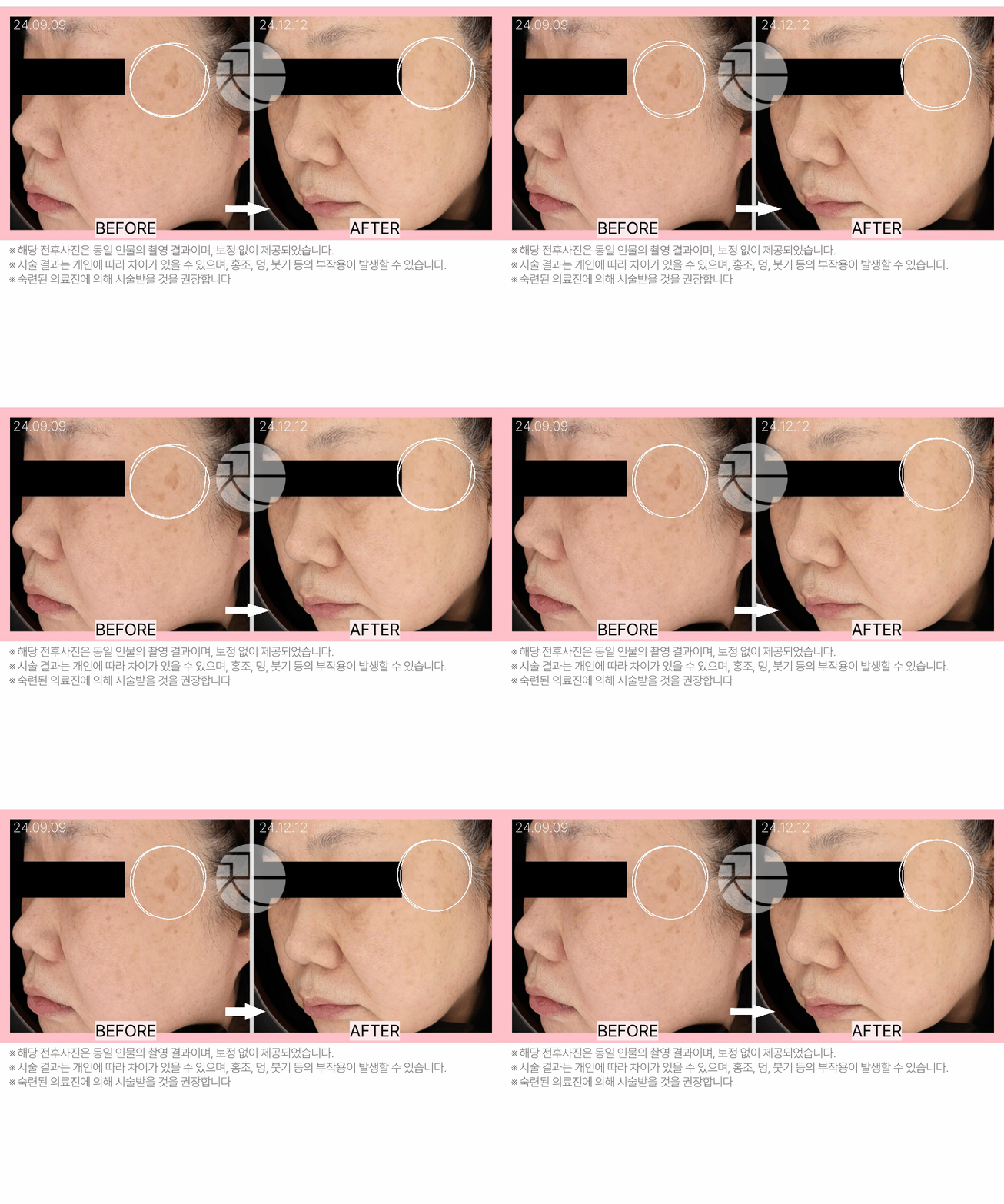
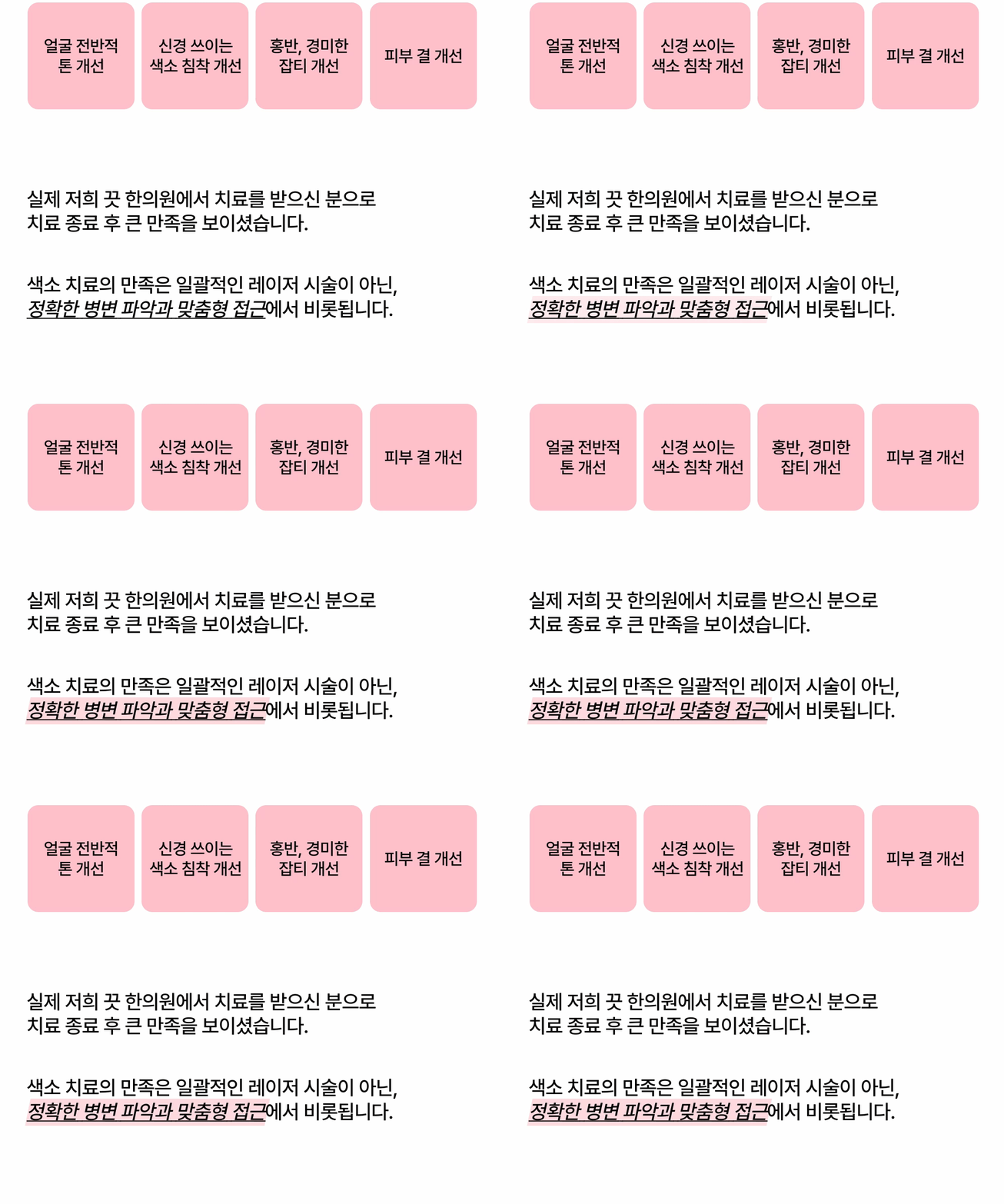






Pico Toning
Pico Toning uses laser pulses measured in picoseconds to treat pigmentation.
To understand its characteristics, it helps to compare it with conventional laser toning. The pulse durations of the two methods differ by approximately a factor of one thousand.
Both methods aim to selectively break down pigment in the affected area. Some stimulation may also reach surrounding normal skin. The aim is to improve pigmentation while limiting unnecessary irritation to that surrounding skin.
The speed of energy delivery matters: the target pigment should be treated before heat spreads to nearby tissue. Conventional laser toning is also fast, but Pico Toning delivers its pulses on a much shorter timescale.
Does that mean Pico Toning is always the right choice? Treatment technique matters as well as the device. The same equipment can produce different results depending on how it is used.
What Makes Our Pico Toning Approach Different
First: Detailed Imaging Before Treatment
We use skin assessment systems such as Mark-Vu and Janus to examine pigmentation carefully.
Pigmented lesions have different characteristics. Even similar-looking brown spots may sit at different depths, requiring different treatment methods and laser wavelengths.
Visual examination alone provides limited information about the skin surface. We therefore perform detailed imaging before consultation and use those images to guide the assessment.
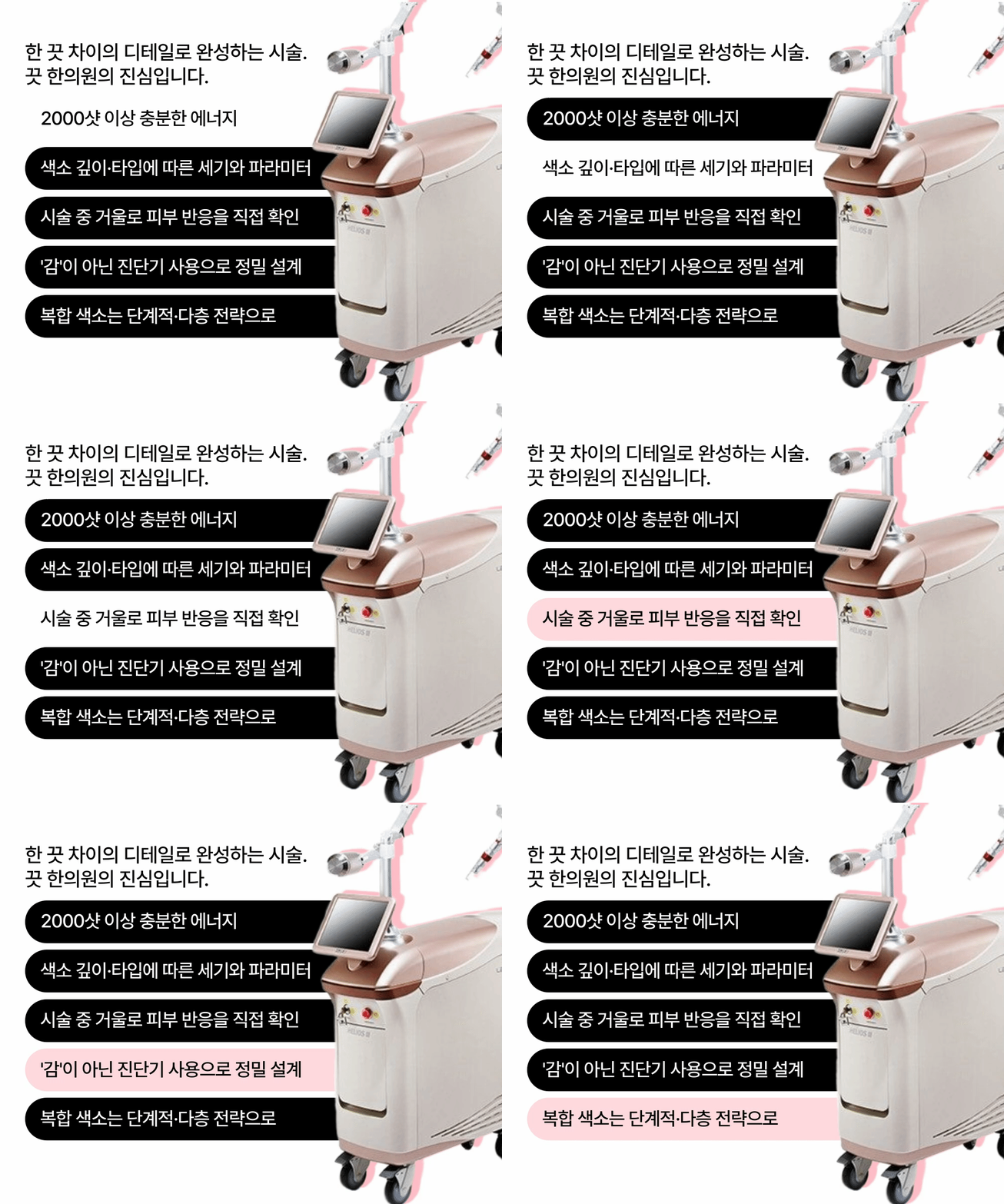
Second: A Standard of at Least 2,000 Shots
At our clinic, simply saying that a Pico Toning session was performed does not fully describe the treatment.
Our treatment standard is based on at least 2,000 shots for low-fluence brightening laser treatment. Too few shots may limit the improvement expected from the time and cost invested.
We follow this 2,000-shot standard and check the total number delivered together with the patient after treatment.
We want patients to be able to confirm the actual number of shots received, rather than only the name of the procedure.
Third: Settings Are Reviewed at Every Session
Toning can easily become a procedure performed at the same fixed output throughout a course. Because it uses low fluence, patients may find it difficult to notice whether settings have changed.
Pigmentation gradually changes as treatment progresses. Using the same intensity without considering those changes may limit improvement.
We keep a record of every session. Before the next treatment, we review the previous settings and reassess the current skin condition and patient feedback.
A course of ten sessions therefore involves ten separate clinical assessments.
Fourth: We Recheck Your Main Areas of Concern
Toning often involves ten or more sessions. As some areas improve, other concerns may become more noticeable. The areas that matter most to a patient can change during the course.
Repeating the same treatment without asking about those concerns may leave persistent areas untreated and create an uneven impression of improvement.
Before every session, we look in the mirror together and confirm the areas that currently concern you most. This is repeated throughout the course, not only at the first visit.
That feedback is reflected in the treatment itself. We pay closer attention to the identified areas, including delicate or easily missed regions around the eyes and bridge of the nose.
Fifth: Slow Lining Technique
Toning generally causes relatively little discomfort, and the eyes are covered for protection during treatment. This makes it difficult for patients to judge how carefully the procedure is being performed.
Moving the handpiece rapidly over a broad area can make coverage uneven. Some areas may receive excessive overlap, while others receive too little energy.
We work carefully across the face, overlapping individual shots appropriately and checking that no areas are missed.
This requires more time, concentration, and physical effort from the practitioner. We nevertheless continue to use this meticulous approach.
Sixth: Attention to Curves and Skin Folds
The hand not holding the laser handpiece also has an important role in treatment.
We keep hair away from the laser and gently spread curved or folded skin, such as beside the nose or around the philtrum, so that energy can reach the area evenly.
Without this attention, energy may not adequately reach the inner part of a fold. We aim to maintain the same care across the entire face at every session.
Pico Toning Treatment Process
STEP 1. Mark-Vu imaging is used to assess the depth and distribution of pigmentation.
STEP 2. The clinician examines your skin directly and develops an individualized treatment plan.
STEP 3. Pico Toning parameters are adjusted to your skin type and the characteristics of the pigmented lesions.
STEP 4. Skin responses are monitored throughout treatment, with fine adjustments to output or coverage when needed.
STEP 5. After treatment, we check the skin together and explain the plan for ongoing care.
Our Treatment Philosophy
Pigmentation treatment requires careful assessment of the skin and adjustments to the individual condition, in addition to delivering laser energy.
Persistent pigmentation such as melasma may not respond satisfactorily to a strong treatment alone. We aim to deliver the energy needed with a careful approach that limits skin irritation.
We observe each patient’s skin response closely and work toward an individualized approach to pigmentation care.
Post-Treatment Precautions
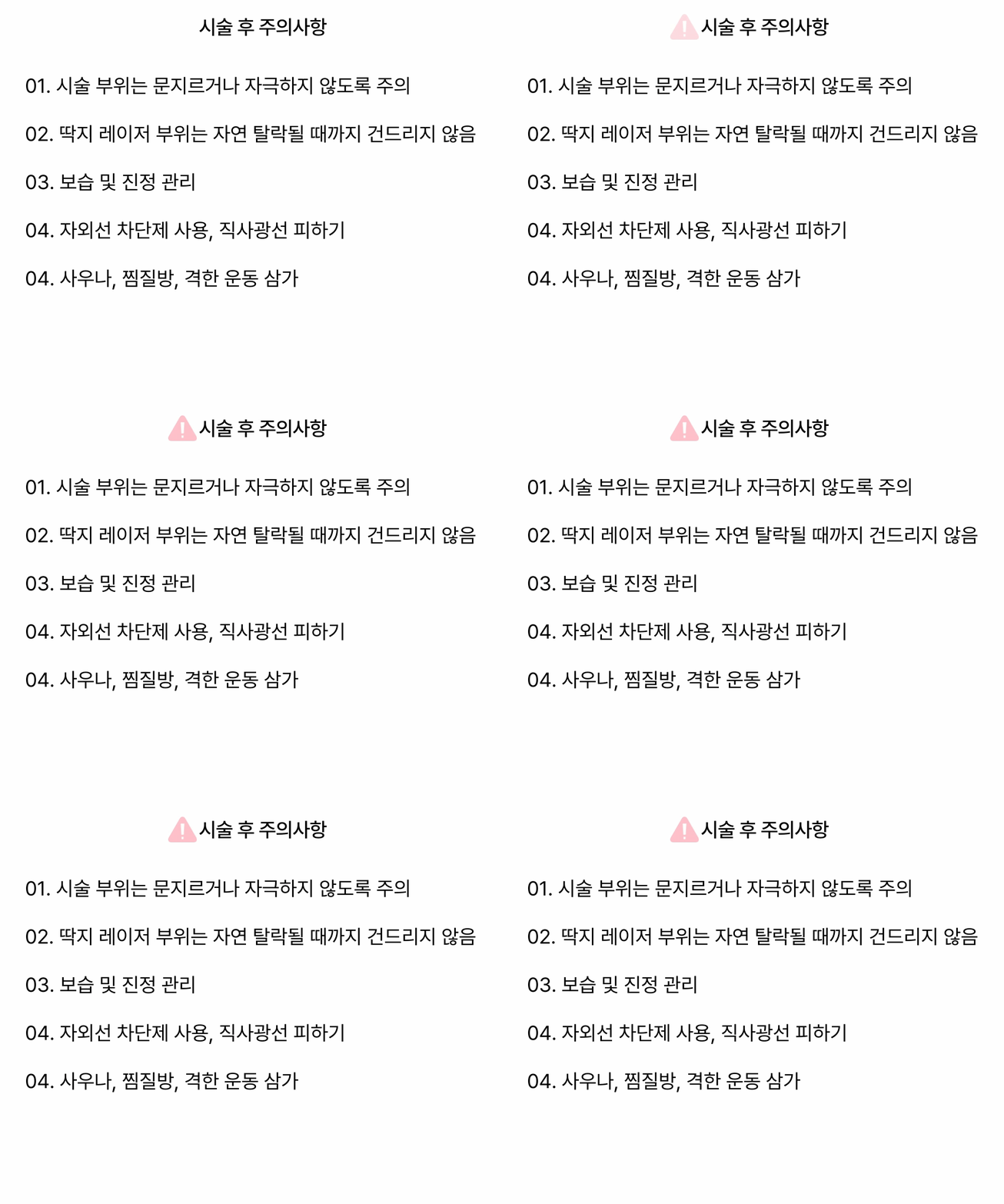
You may wash your face and apply light makeup from the day of treatment.
Use sunscreen consistently when going outdoors.
Temporary redness or dryness may occur. Pay attention to adequate moisturizing and soothing care.
Avoid strong scrubs and other irritating procedures on the treated area for the time being.
If redness or skin sensitivity persists, consult the medical staff.
Pico Toning Procedure Process
See each step, from your first consultation to completion.
- 01
Self-cleansing for skin surface preparation
- 02
Mark-Vu precise diagnosis to understand skin condition
- 03
Medical staff consultation for individual skin problems
- 04
Parameter setting and Pico Toning procedure tailored to individual condition
- 05
Application of regenerative cream to protect the treated area
Treatment Basics
Treatment time, anesthesia, recovery and how long results last, at a glance.
TIME
Within 20-30 minutes
ANESTHESIA
No anesthesia
RECOVERY
Immediate return to daily life
Ideal For
One Fine Difference makes real results.
- KKEUT POINT 01
This may be beneficial for those considering improving skin tone and reducing pigmented lesions.
Q&A
Answers to the questions we hear most.
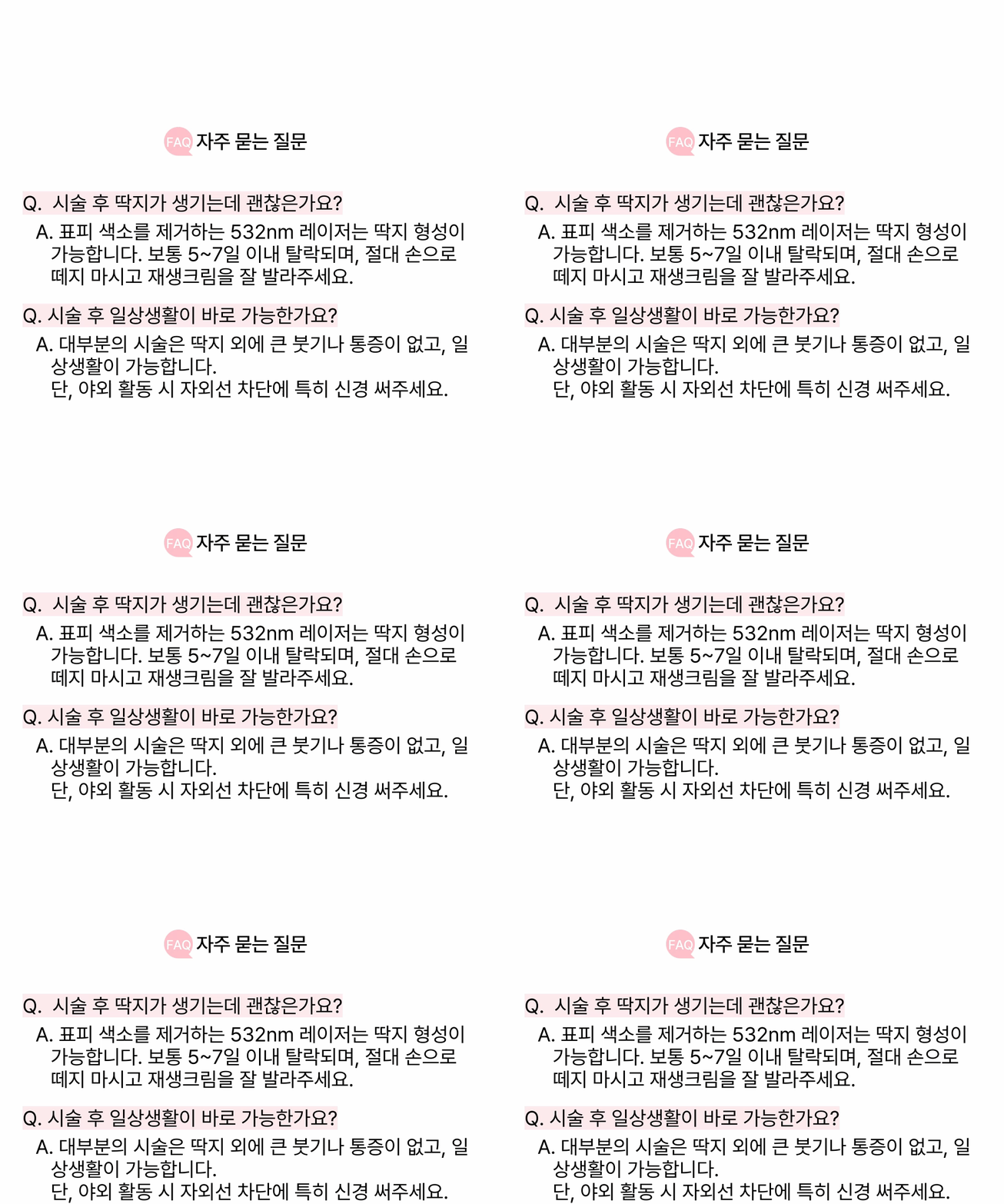
What is the recommended frequency and number of sessions for Pico Toning treatment?

Generally, we recommend treatments at 1-2 week intervals, and for expected improvement, consistent management of 10 or more sessions may be advised. The frequency may vary depending on individual skin condition, so it is important to consult with a specialist.
Is there a possibility of acne developing after toning treatment?
Occasionally, if sebaceous gland activity is high after the treatment, acne may temporarily appear. This reaction usually tends to subside over time. Please be careful not to irritate the skin and pay attention to moisturizing. If it persists for more than a week or causes significant discomfort, it is recommended to consult with a medical professional to check the progress.
Cautions
Results = Treatment × Aftercare. Please follow the notes below.
It is recommended to refrain from using peeling agents that can irritate the skin for about 1 week after the procedure.
To reduce the occurrence of post-inflammatory hyperpigmentation, please avoid sun exposure as much as possible and apply sunscreen consistently.
On the day of the procedure, refraining from visiting saunas, public baths, jjimjilbangs, swimming pools, as well as smoking or drinking, will help with skin recovery.